What if creativity is not a luxury, but a life skill?
A new neuroscience study on jazz improvisation offers something rare: a way of watching creativity unfold in real time.
Researchers examined how skilled jazz musicians’ brains reorganised as they played a familiar tune, improvised around a melody, or improvised freely within a harmonic structure. What they found is fascinating — and deeply affirming for those of us working in Creative and Experiential Therapies.
As creative freedom increased, the brain shifted away from tightly controlled, evaluative networks and into heightened auditory, motor, sensory, and pleasure-related activity. Creativity, it seems, is not simply about control or execution — it is about flexible responsiveness, embodied engagement, and relational attunement.
Creativity is the ability to improvise helpfully within structure.
This aligns beautifully with a long-held understanding in creative practice: creativity is the ability to improvise helpfully within structure.
Improvisation is not chaos. Jazz musicians improvise within a form. Dancers improvise within rhythm. Poets improvise within a haiku. Painters improvise within the constraints of a canvas. Structure doesn’t limit creativity — it enables it.
In psychodrama, Jacob Moreno called this capacity role flexibility — the ability to move fluidly between ways of being, responding freshly to new situations, or meeting familiar situations in new ways. Moreno was adamant: role flexibility is essential for mental, social, and emotional wellbeing — and its absence leaves people stuck, brittle, or overwhelmed.
This new research offers contemporary confirmation of what creative practitioners have long known:
Improvisation itself is a life skill.
When people practise improvisation — safely, relationally, and with care — they are exercising imagination, confidence, and adaptability. They are rehearsing how to meet uncertainty. They are discovering that they can respond, even when the path forward isn’t clear.
This matters deeply in a world that increasingly measures wellbeing through narrow notions of “functional capacity,” often missing the lived experience beneath. Our recent Empowering Voices review highlighted the limits of this medicalised framing.
What if we valued imagination, creativity, and improvisation for their own sake, knowing that these capacities are transferable across every life context?
A person who trusts their capacity to improvise is more hopeful. And hope itself is one of the strongest predictors of coping.
This is why people consistently report that creative and experiential therapies don’t just “work” — they leave people feeling more connected to their own inner resources, more enabled, more optimistic, and more alive.
There is, however, a real danger in reductionism — the tendency to break creative work down into techniques, directives, or standardised “interventions” that can be applied anywhere. Creative and Experiential Therapies do not work this way.
They are integrative, responsive, and relational. They require facilitators who are themselves skilled improvisers — able to hold structure without rigidity, uncertainty without anxiety, and strong emotion with care.
This is complex work. It demands presence, sensitivity, training, and ethical maturity.
For us, creativity is not a diversion, it’s not a luxury, it’s not a competition.
Creativity is a life skill, and we cultivate spaces where imagination can move.
Because imagination, like any muscle, needs expression to grow. And creativity needs a funnel — a container — to become something meaningful in the world.
This neuroscience research doesn’t merely explain creativity.
It affirms what actors, artists, dancers, musicians, and creative practitioners know in the depths of our being:
Imagination doesn’t develop in theory alone. It grows through expression, play, risk, and relational safety — again and again, across the lifespan.
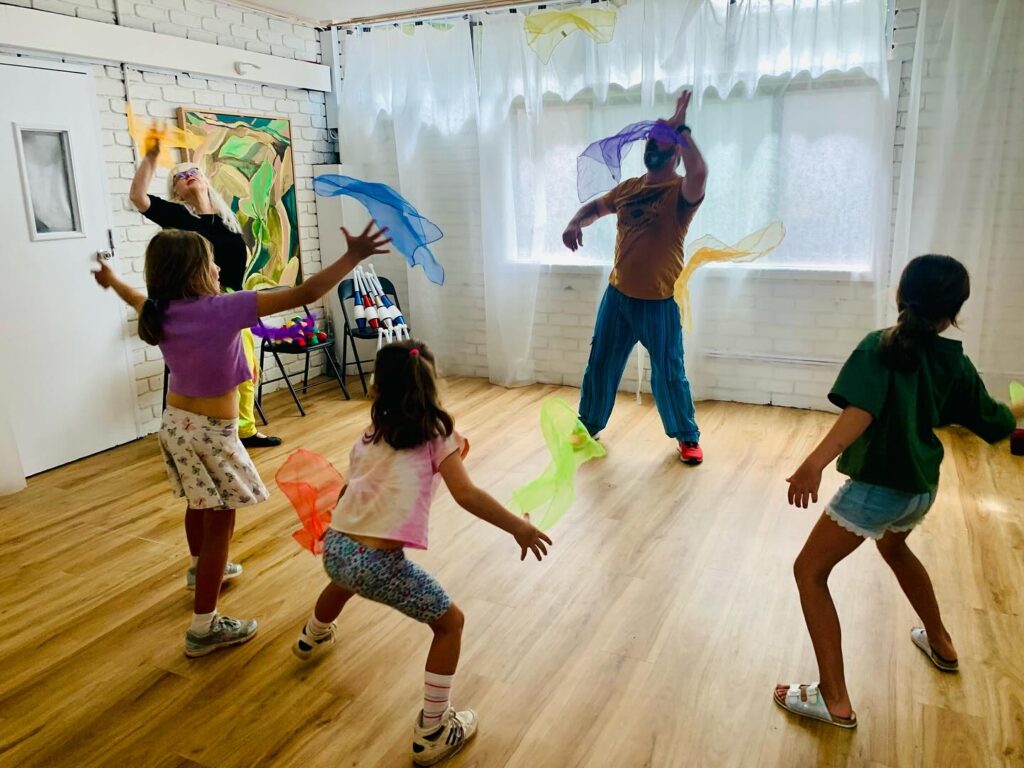
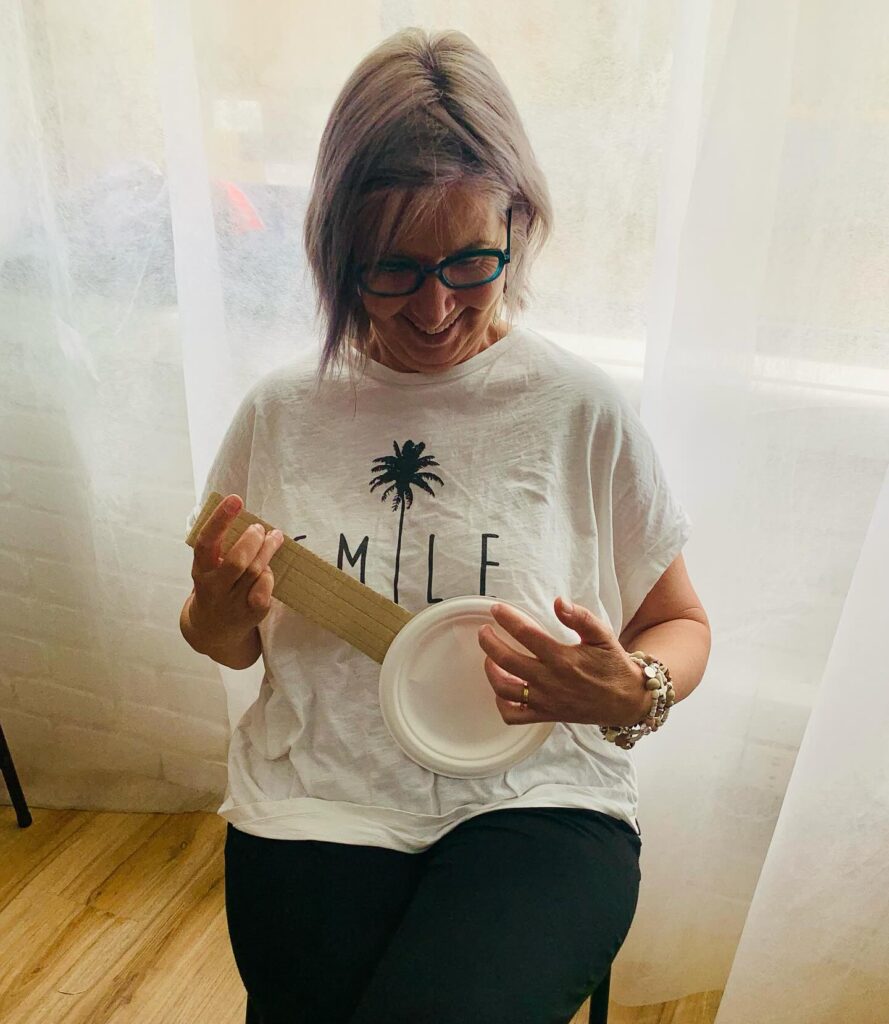
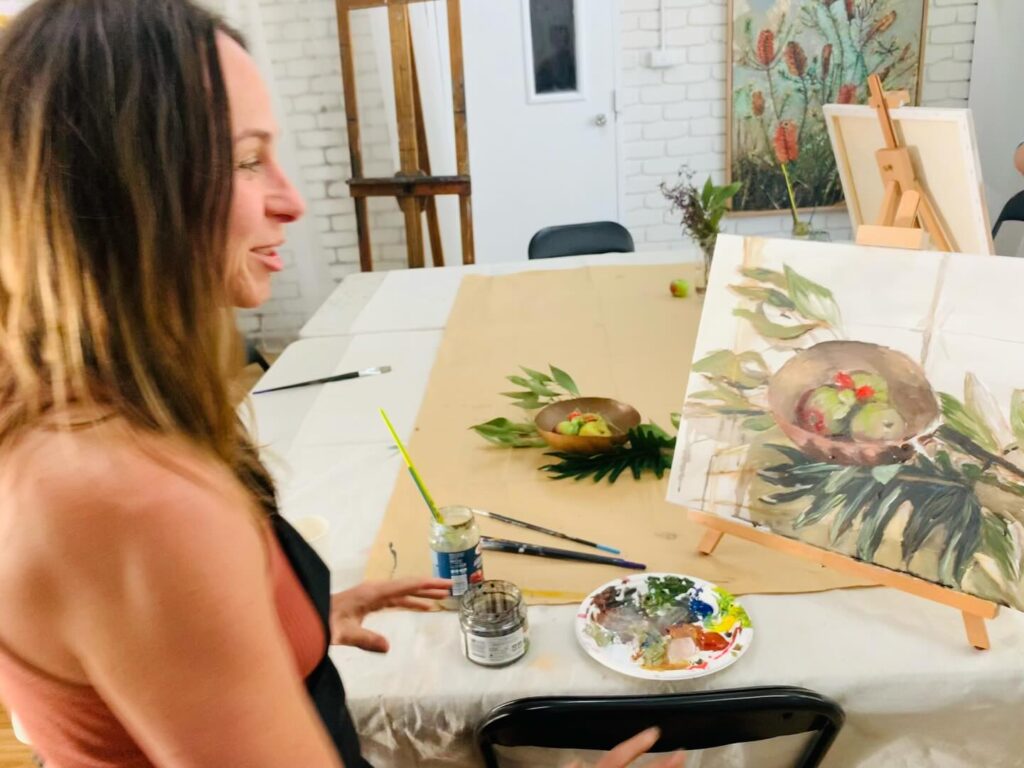
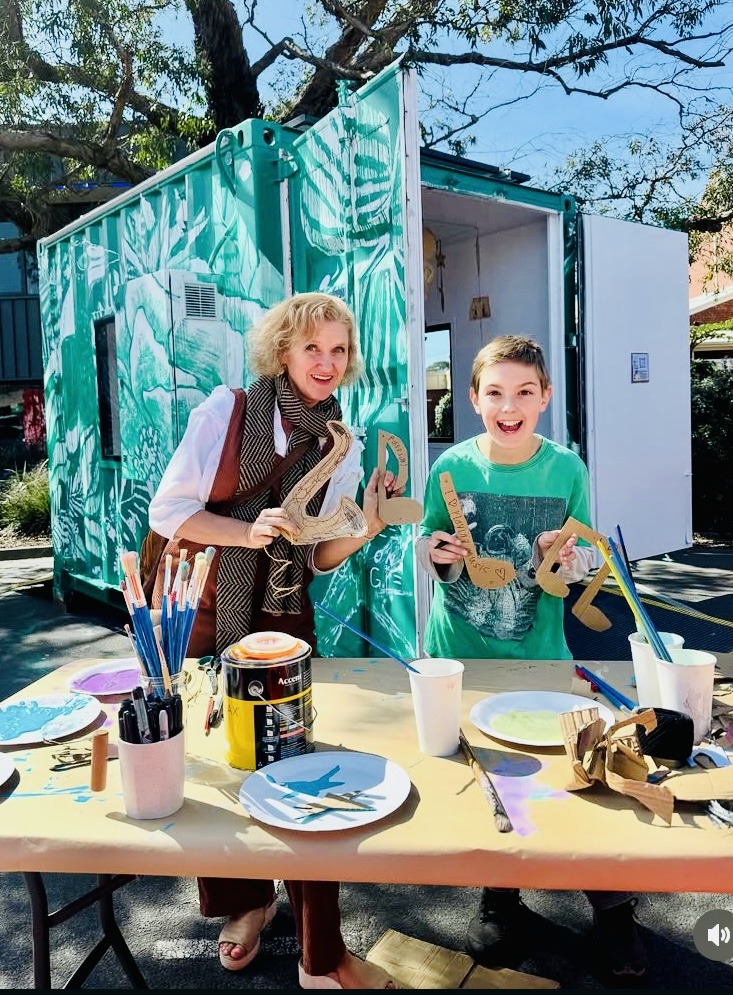
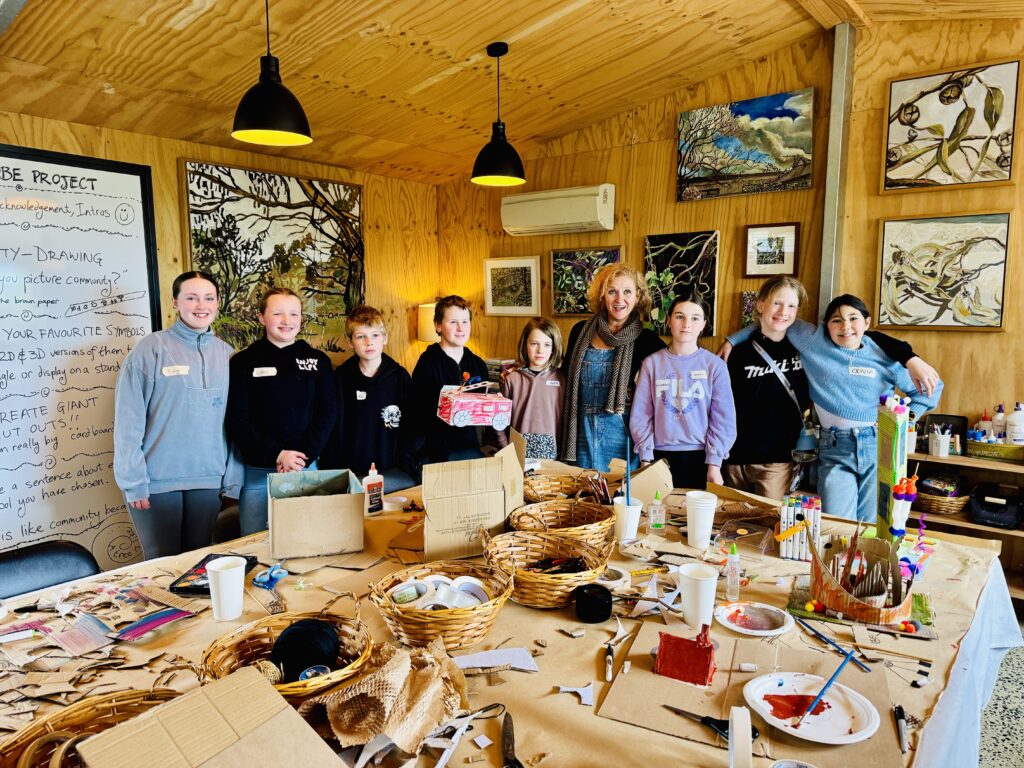
Imagination Lane workshops are one example of how this looks in practice — offering children and young people a safe, creative space to explore feelings, flexibility, and confidence through art-making and play.
Because imagination, like improvisation, is a skill we grow by using.
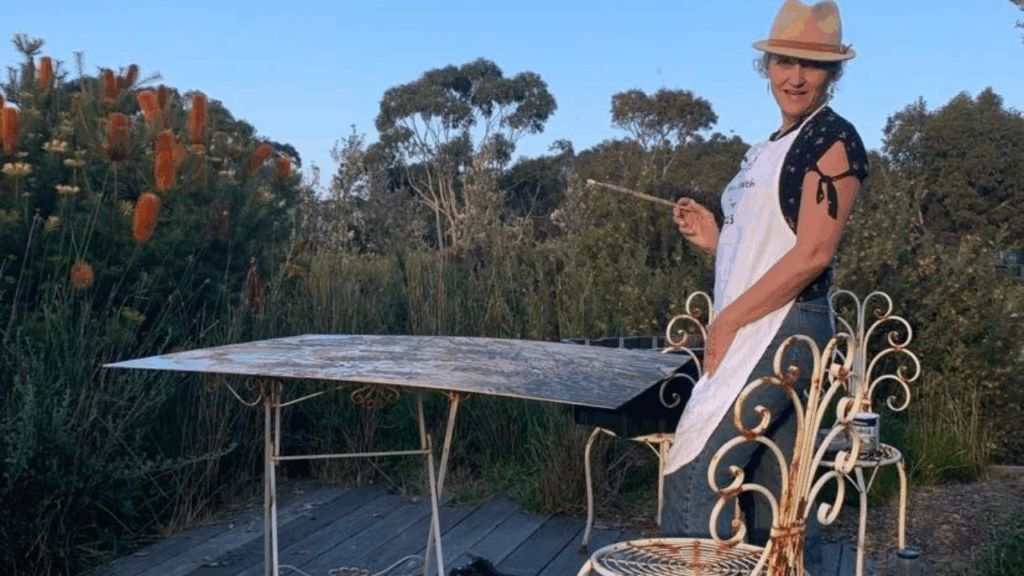
Dr Carla van Laar is an independent artist, author, researcher, supervisor, and Creative and Experiential Therapist living and working on Boon Wurrung Country, in Inverloch, Australia. Her work bridges creative mental health, arts and health, and experiential therapies, positioning creativity as a vital public-health approach supporting wellbeing across individuals, communities, and systems.
For all inquiries please contact carla@carlavanlaar.com
Leave a Reply