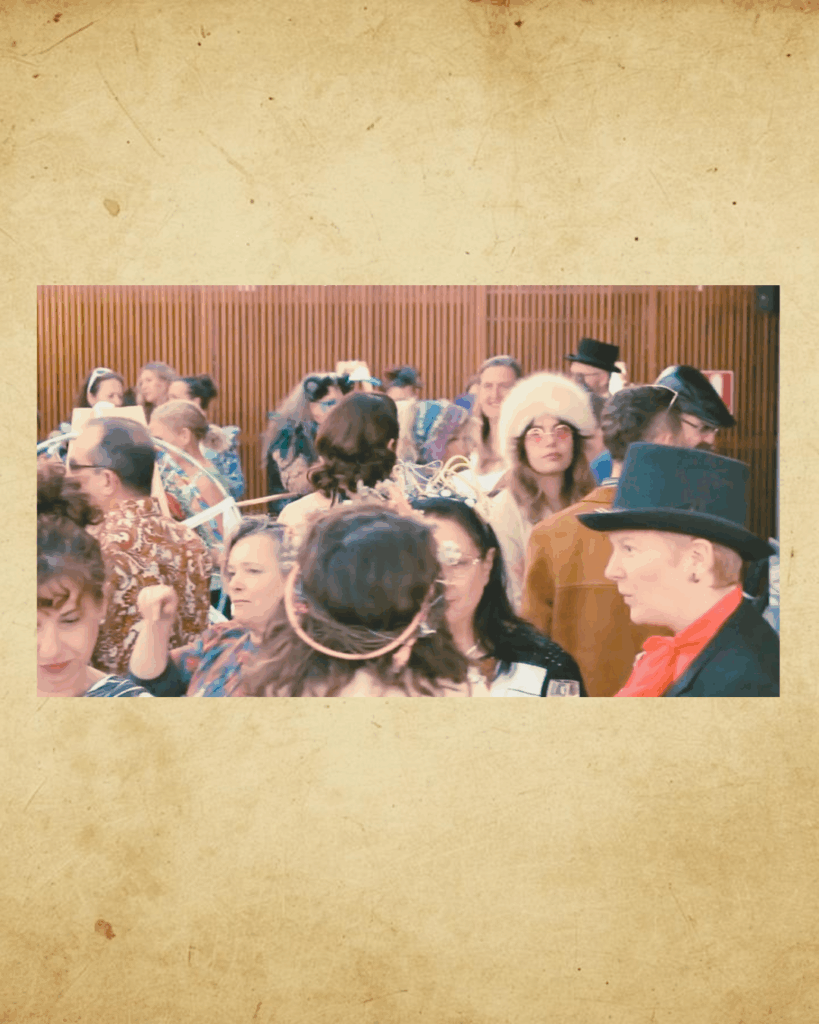
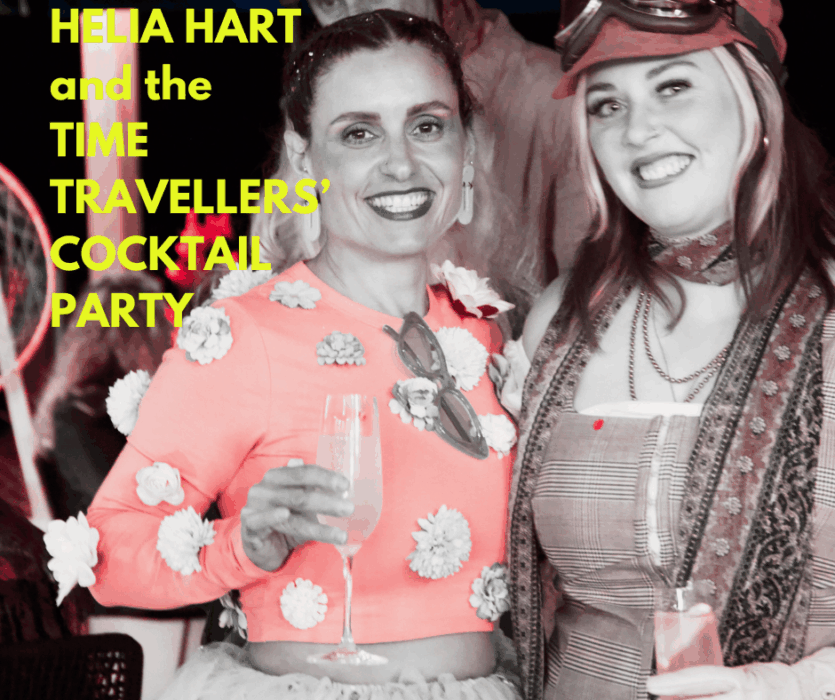
It began the night before, at the Creative Mental Health Forum, in a room transformed into a Time Travellers’ Cocktail Party. The theme on the invitations was “Time to Connect.”
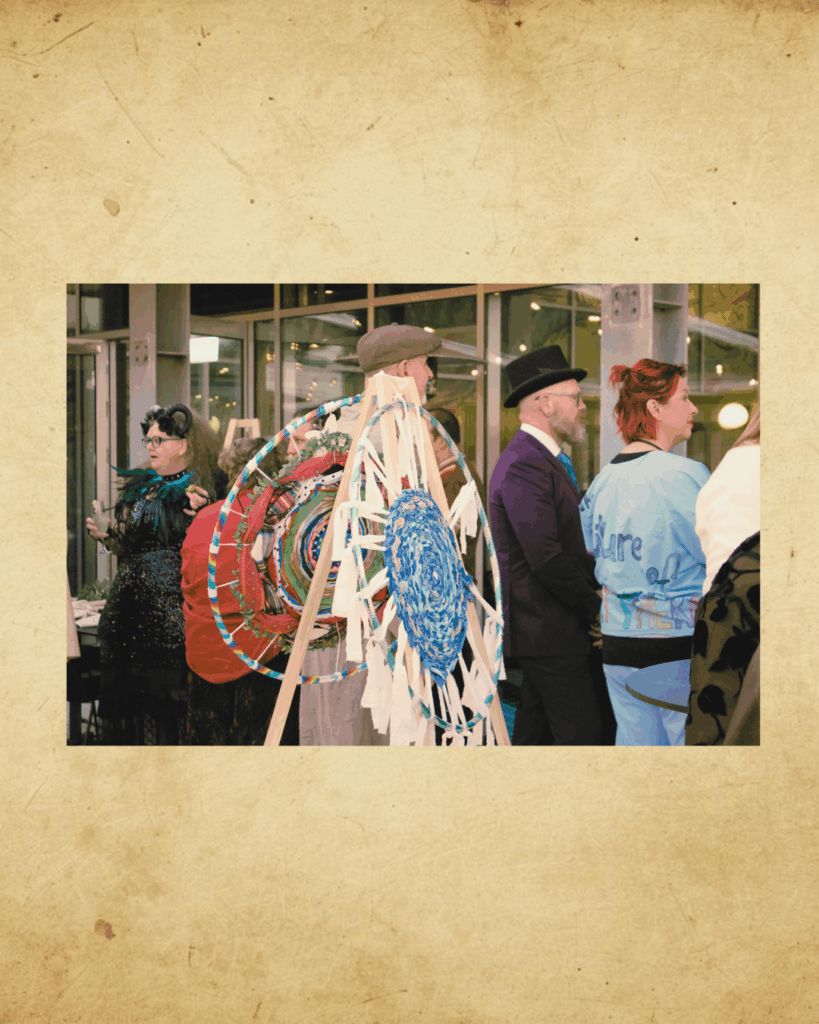
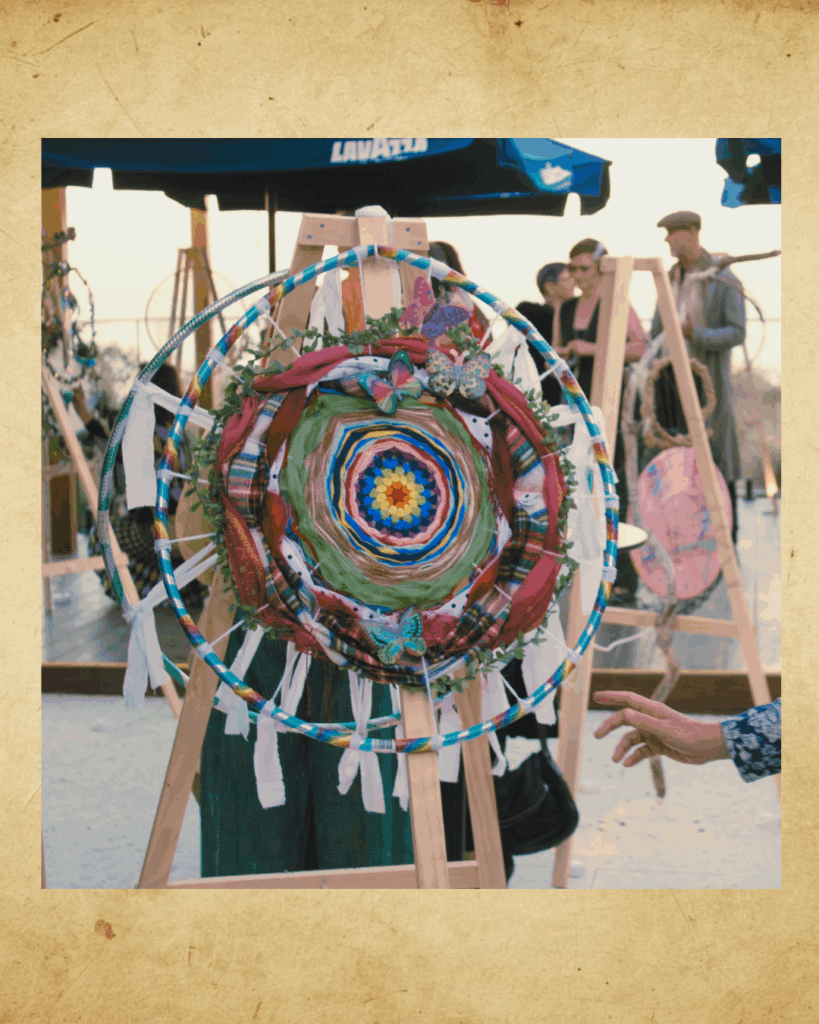
Guests drifted in, glittering from person to person, moment to moment. Around the walls, hoop-based artworks shimmered like portals. The air buzzed with mischief and anticipation. I was buzzing too—elated by the scene playing out before my eyes. I had imagined it for months, and now it felt like a living artwork, an immersive theatre set built entirely by its audience.
Being a gathering of creatives, the guests embraced the invitation with full theatrical flair—arriving in cocktail attire from every era imaginable. Flapper sequins brushed against velvet jumpsuits from imagined futures; hats and jewellery winked under strings of lights. They also responded with aplomb to our traditional opening-night challenge: to contribute a handmade artwork for the improvised exhibition. The prompt was simple—create an artwork using a hoop as your base, and respond to the theme “Time to Connect.” Add to this the stunning setting of the outdoor deck at Inverloch’s RACV Resort—strung with fairy lights, open to the soft, changing dusk, bordered by garden beds, and gazing toward the ocean horizon—and the night felt charmed before it even began.
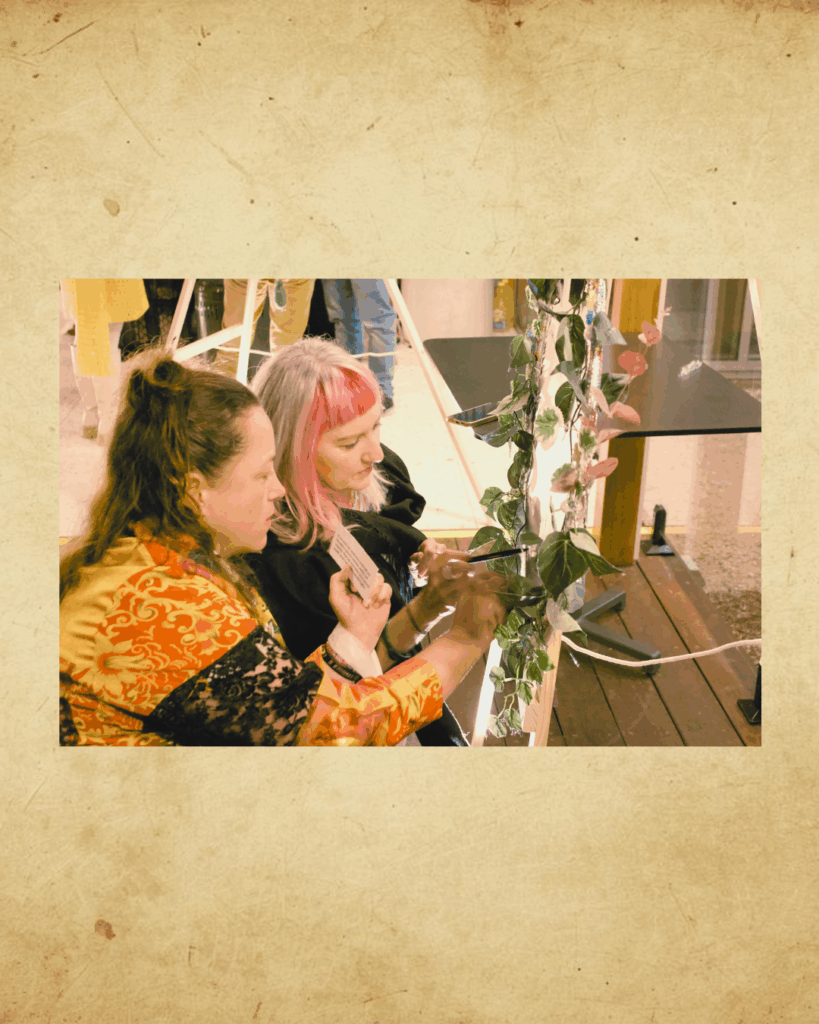
Each guest received a welcome pencil case containing a handmade notepad, instructions, and materials for a collaborative installation: a hoop on an easel, threaded with horizontal copper wires. Participants were invited to decorate a strip of white fabric with words or symbols about connection, then weave it through the wires. Positioned behind the stage, the hoop glowed in the fading light, framed by the ocean and the setting sun. I had imagined it as a luminous portal, however, as everyone added their strips of meaning, it took on an unexpected form—a sculptural, three-dimensional figure, shrouded in white, standing silently behind me, watching over us as I called the room to attention and began my speech.
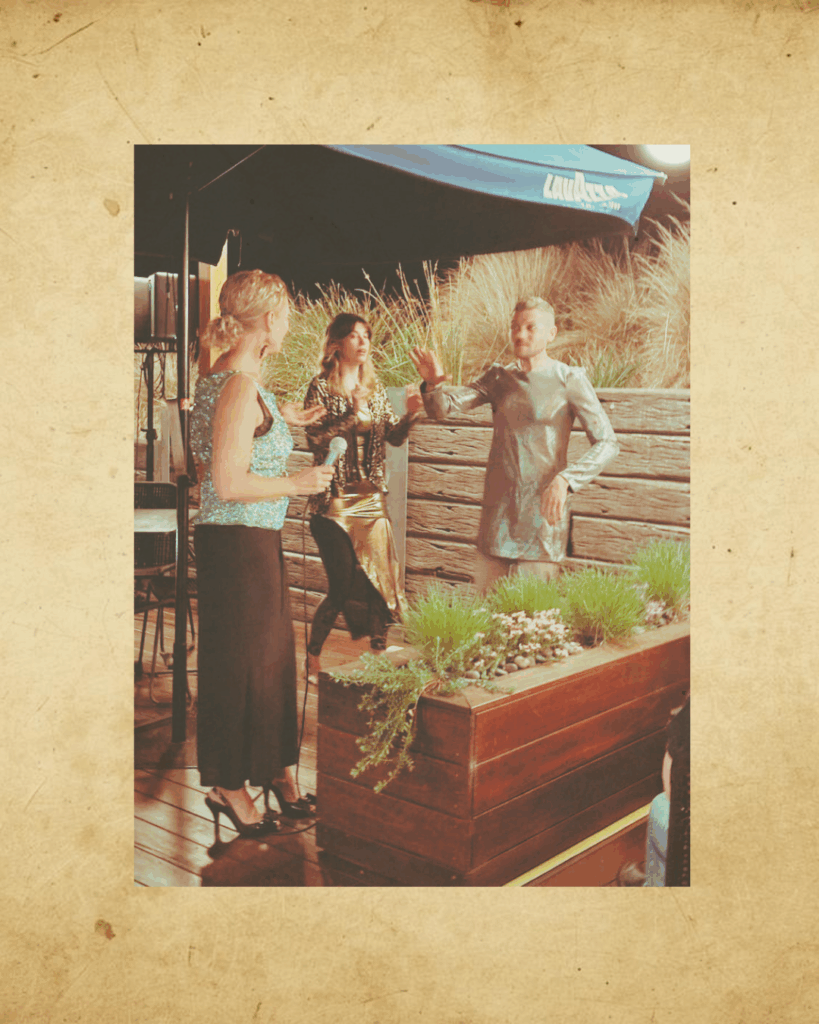
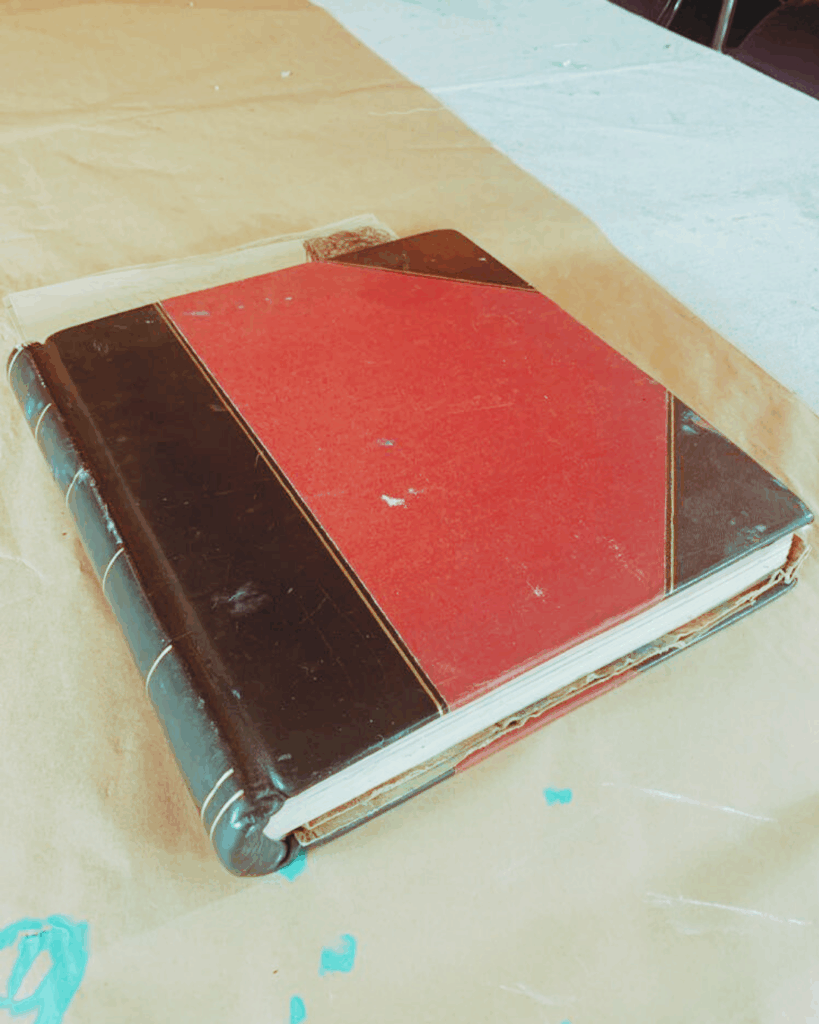
I was midway through my welcome speech, about to introduce the story of Helia Hart and the red-bound journal I held in my hands, when I noticed the crowd’s focus shifting. Faces turned toward the garden bed behind me. Before I could turn, two figures stumbled into the party, clambering out of the darkness, scattering mulch and disbelief.
Gasps rippled through the crowd. “Who are these trippers?” someone muttered. “Drunk bogans crashing the party,” said another.
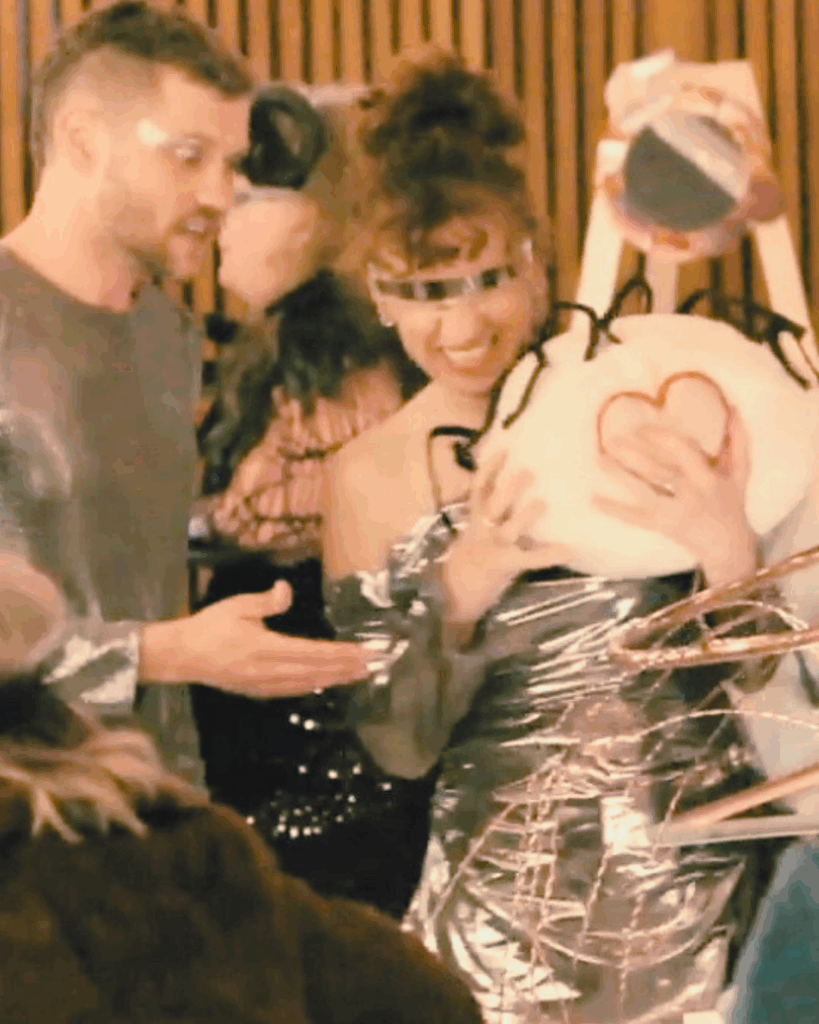
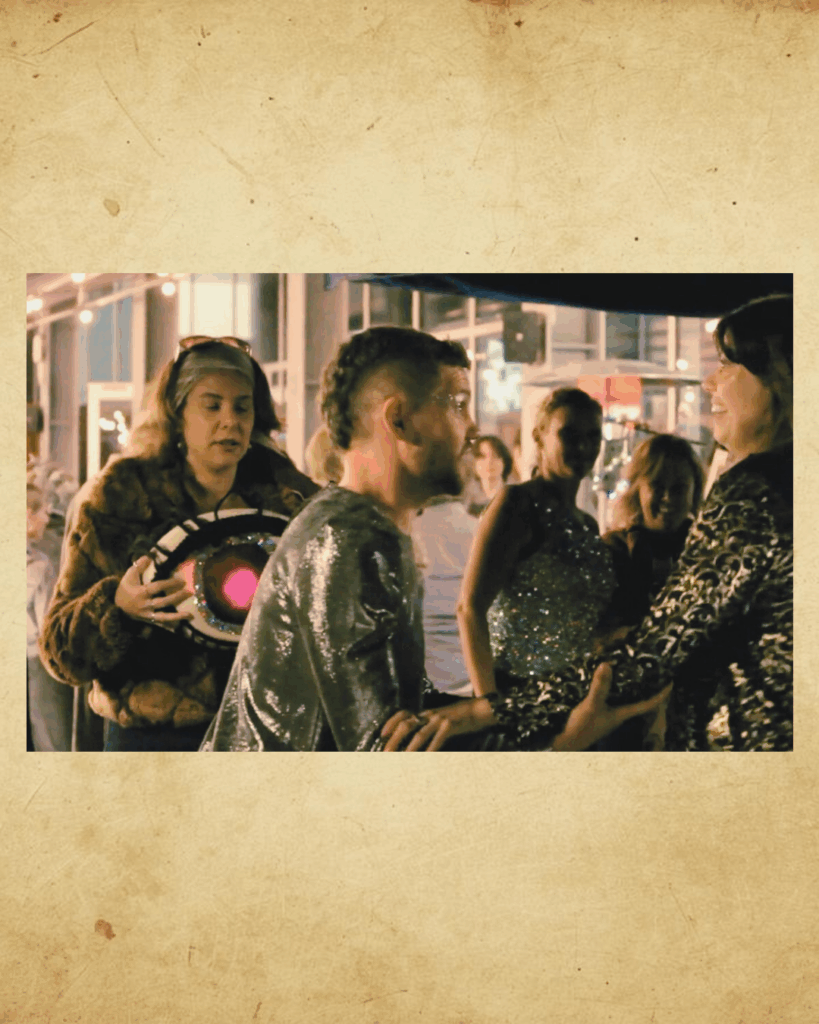
But they were neither trippers nor drunks. These intruders—dressed in futuristic fabrics that caught the light like liquid metal, and somehow fit the eclectic scene—were themselves as excited and bemused as we were. They introduced themselves as Hori and Zon, travellers from the year 2525.
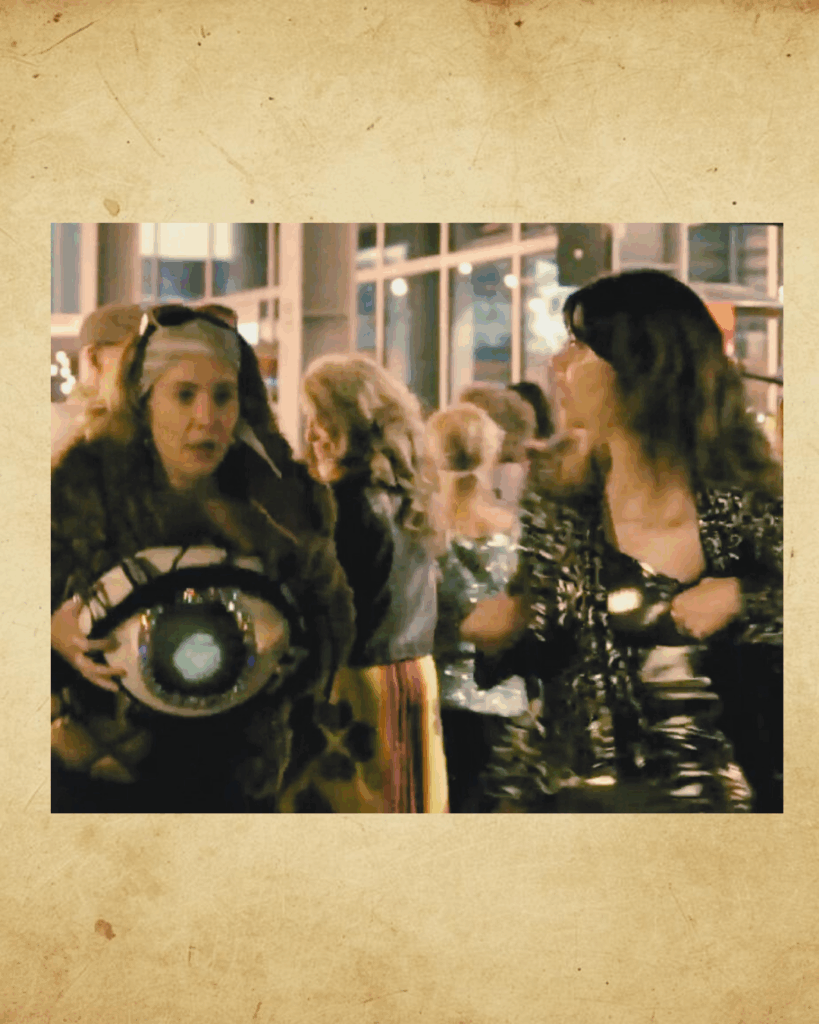
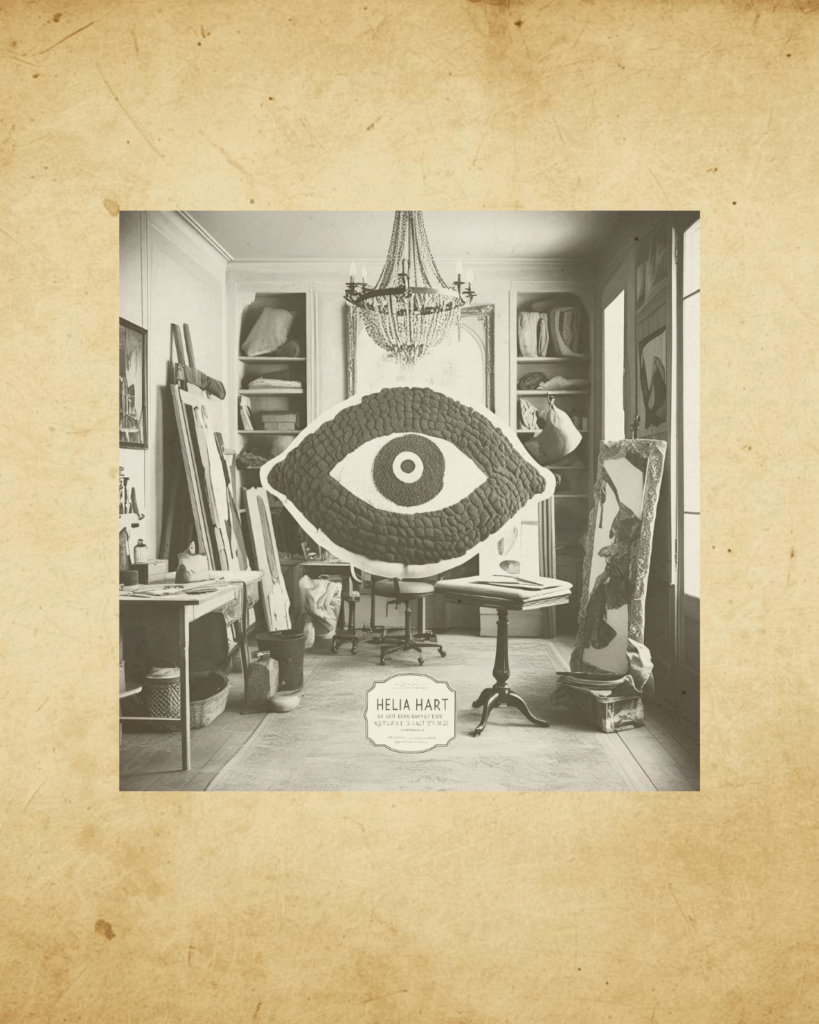
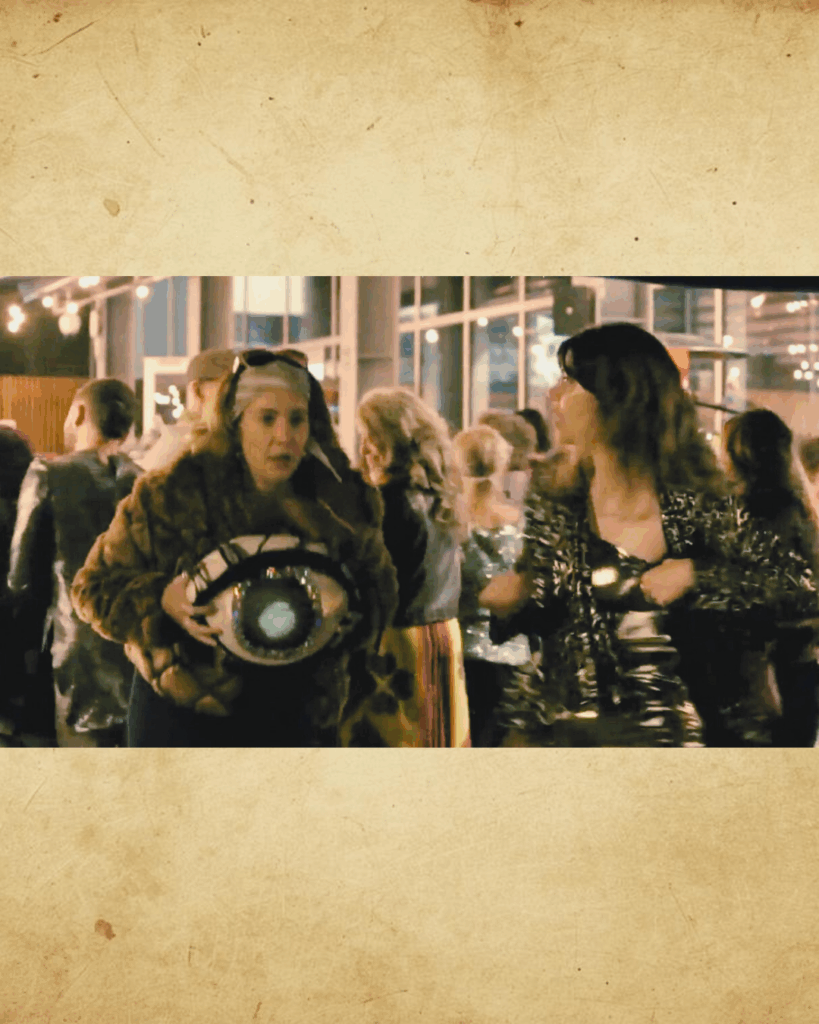
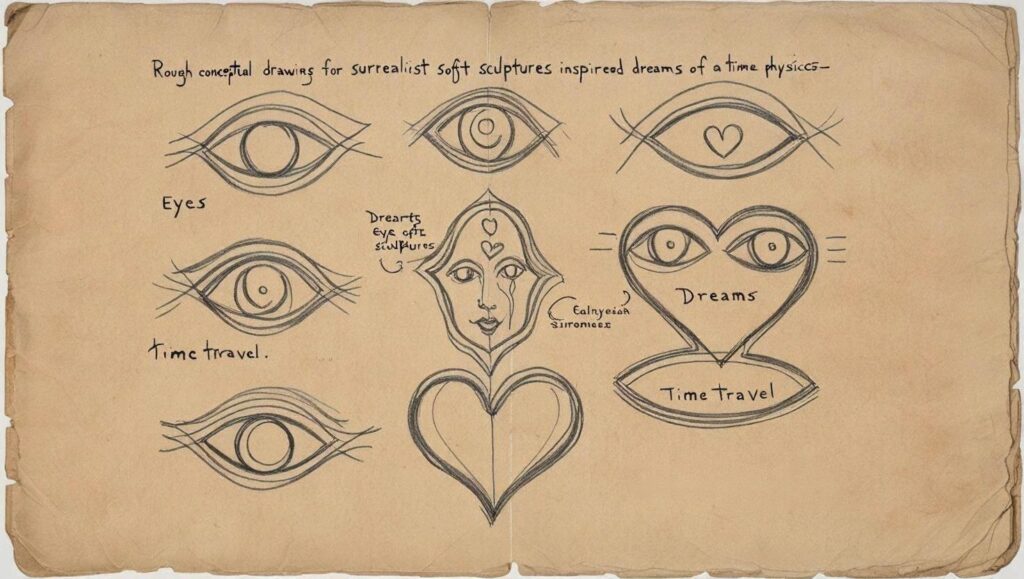
They carried a dusty leather duffle bag—old, weathered, timeless. From it they drew something extraordinary: a soft sculpture, stitched from fabric, braid, and sequins; shaped like an eye, with a glowing pupil on the front and a cushioned heart on the back. It looked like a surrealist artefact—materials straight out of 1920s Paris—yet it pulsed with a quality that felt less electric than quantum.
“The Heart Sonic Artlifier,” they called it.
It glowed softly, colours shifting, its eyelash fringe trembling with every pulse. Hori and Zon explained that they had been searching across time for our gathering. They had received a sign in the future, instructing them to return the artefact to us. We were to be its new keepers, they said—those who could safeguard its power and secrets.
One by one, participants were invited to hold it to their hearts and point it at an artwork. Laughter turned to wonder, wonder to tears. People described feeling as though the art was looking back at them, as though empathy itself had been amplified.
Then one guest—Brodie Caporn—seemed to be having an especially powerful response. She placed the Heart Sonic Artlifier over her heart and aimed it toward the glowing figure we had created together. Emotion rose through her like a tide until it could no longer be contained. Breath quickened. The crowd gathered close, holding space for the intensity of the moment.
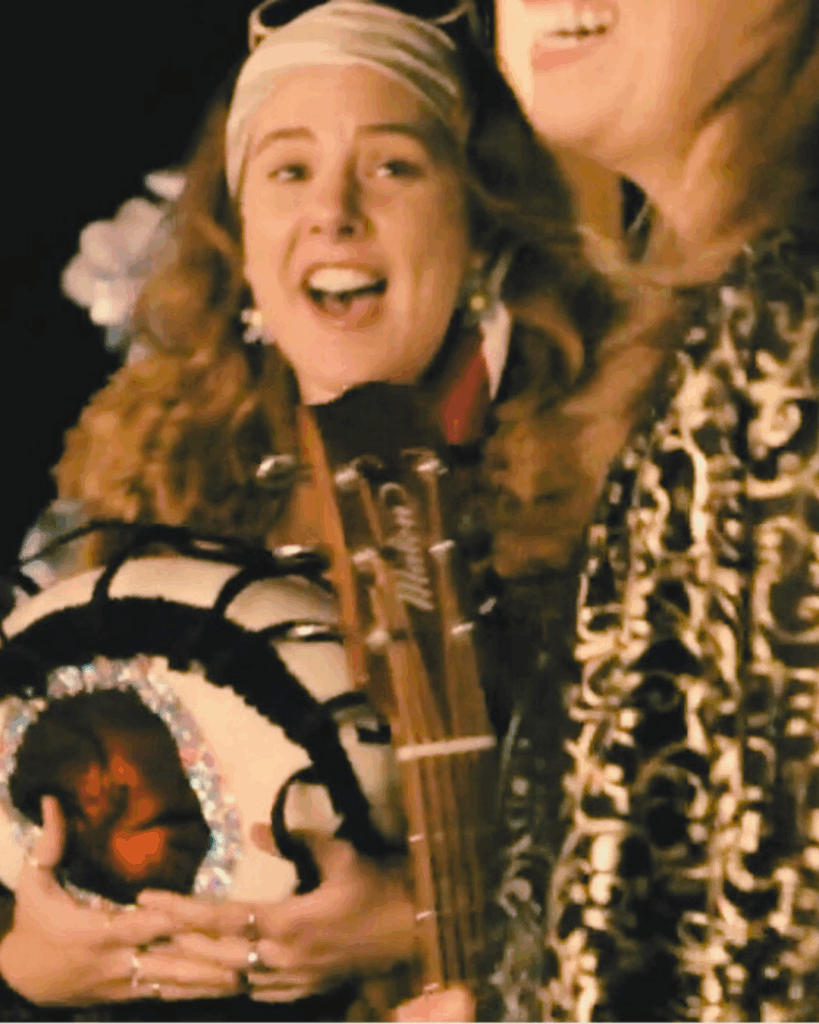
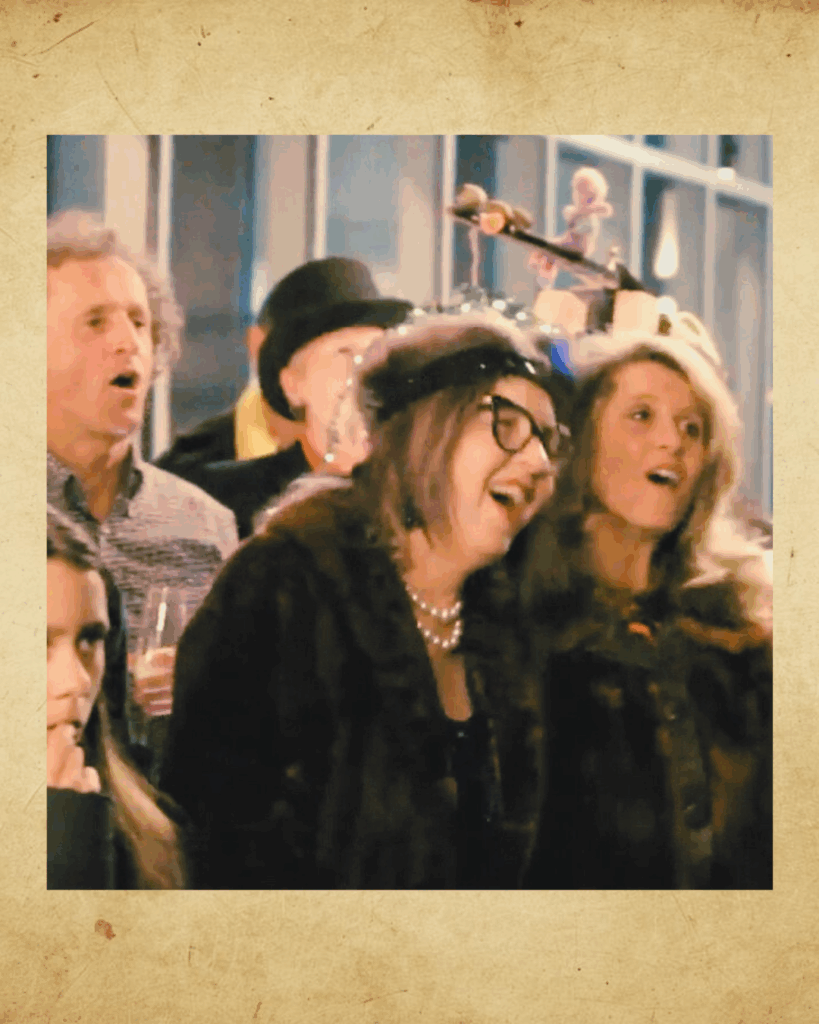
Overcome, Brodie began to sing—softly at first, then stronger—an impromptu medley of familiar three songs All You Need Is Love, What the World Needs Now, and One Love. Hori handed her a guitar, and she struck the rhythm as voices joined all around. The deck became a chorus, and for a moment no one could tell whether it was 1925, 2025, or 2525.
The song built to a joyous crescendo, filling the night air with harmonies and salt wind. When the last chord faded, Hori and Zon placed the Heart Sonic Artlifier in my hands. “Keep it safe,” they said—and vanished while no one was watching.
I placed Helia Hart’s journal into the duffle bag beside the glowing artefact and marvelled at the strange events that had somehow conspired to make me the keeper of three mysterious relics:
a journal, a duffle bag, and the Heart Sonic Artlifier.
Knowing what I already knew about Helia Hart and her art, I wondered whether the impossible had just happened.
Had these travellers arrived at the 2025 Creative Mental Health Forum to return Helia’s long-lost sacred sculpture? Was this object the original Heart Sonic Artlifier she described in her journal? How had it journeyed into the hands of Hori and Zon in 2525? And why—of all people—had they chosen us as its caretakers?
The Weaving of Lives and Stories
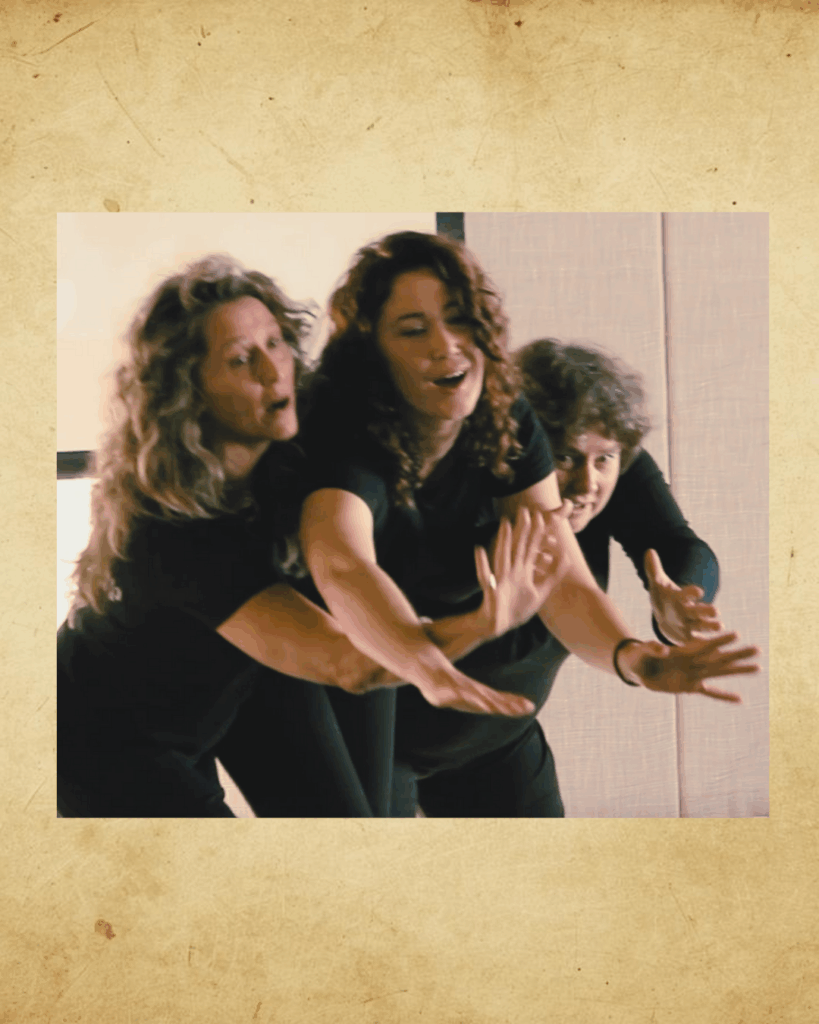
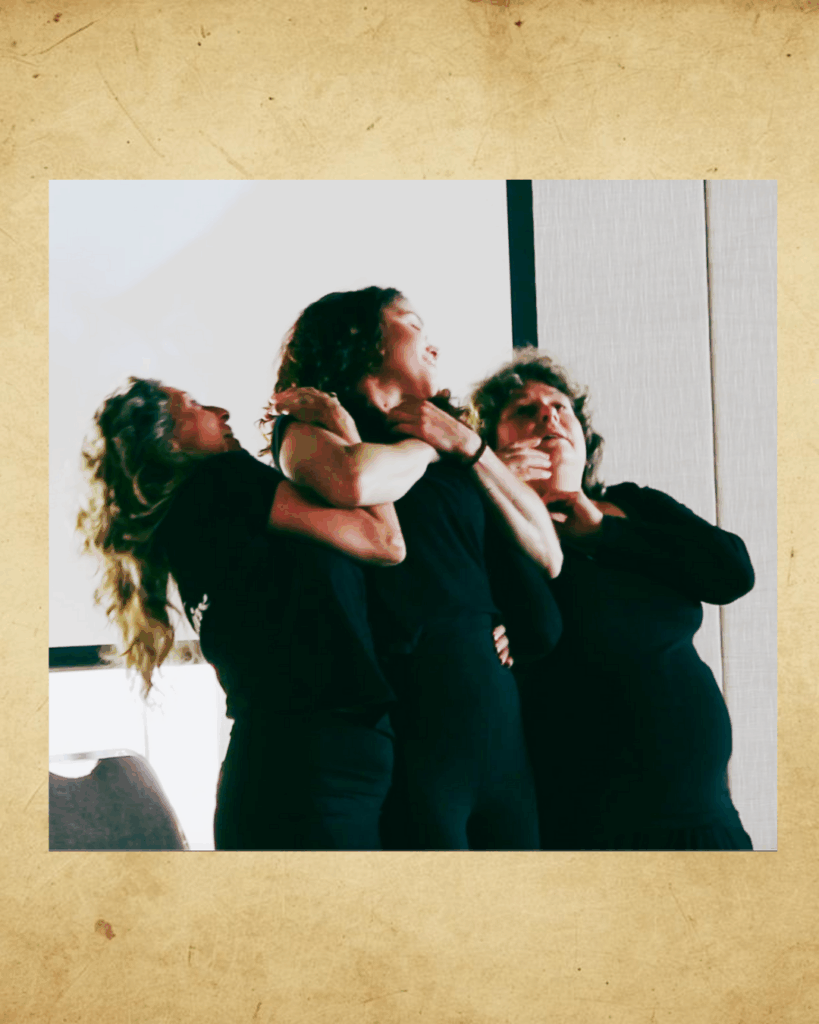
The next morning we gathered again, in the conference room overlooking the ocean. The buzz of the previous night still lingered — a hum just beneath the surface, and we were once again surrounded by the portal artworks made by the guests, propped up on easles around the perimeters of the room. I had decided to tell Helia’s story properly. I had asked my colleagues from the SERV Creative MHPN — Erin McCrorey, Jodie Lynch and Maya Fraser — to perform playback theatre alongside me as I read extracts from the journal that I had placed on a slide show, and improvised my own telling of Helia’s story. We had been rehearsing together through our SERV Creative MHPN, exploring forms like the fluid sculpt, chorus, and three voices — embodied ways of transforming story into movement and sound.
Although these playback forms were familiar to the performers, they had never before heard the wonderous stories that I told, about Helia and how she had found herself living in Inverloch after her former life as an artist in the Parisian surrealist scene.
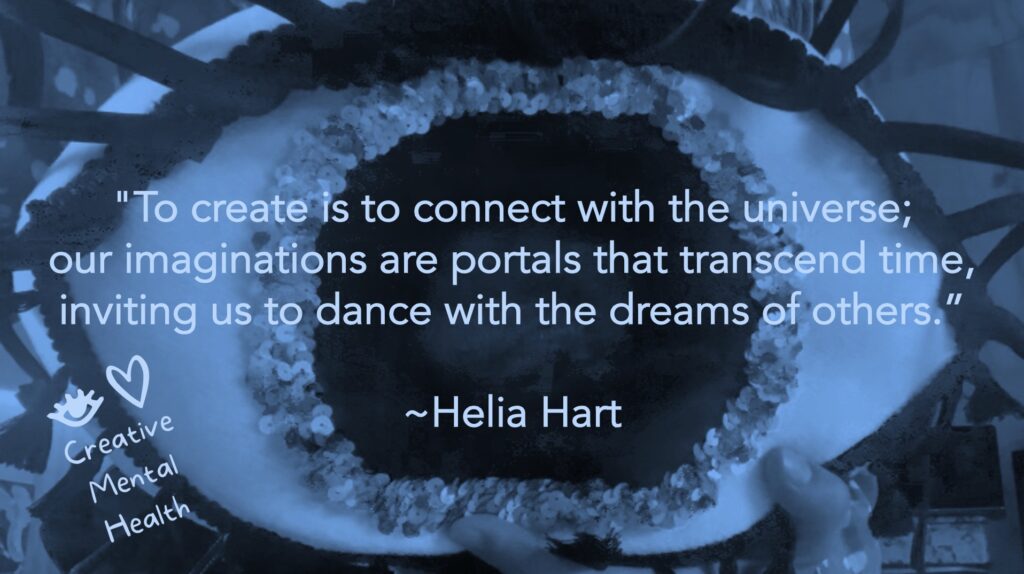
Helia’s mesmerising quote was projected larger than life on the two screens behind the podium as I related a first-hand account as told by Helia herself,
“To create is to connect with the universe; imaginations are portals that transcend time, inviting us to dance with the dreams of others”.
As I spoke, Erin, Jodie and Maya listened with their whole bodies, then stepped forward to improvise what they had felt. They bent, reached, and breathed the story into form — their voices overlapping, their gestures echoing the tides of Helia’s life. Through them, Helia’s memories became visible, textured, and shared.
The audience leaned in. The air thickened with focus and feeling. Something in the room shifted — the story entering muscle, breath, imagination.
I hadn’t told anyone that the story was mythopoesis in action. I thought it might be obvious; after all, the “time travellers” had been performed by artists well known to us, my own son and daughter-in-law, Henry De Oleveira and Sarah Culy. And musician Brodie Caporn is a good friend of mine too. Yet even those who knew them seemed caught in the spell.
As I spoke the narrative aloud, I looked across the room and met the eyes of my colleague Megan Fromholz. When I spoke of Helia’s resilience and grace, Megan whispered, “What an amazing woman.” “Yes,” I said, smiling, “she reminds me a bit of you, Megan.” Megan’s eyes softened. “And she reminds me a bit of you, too.”
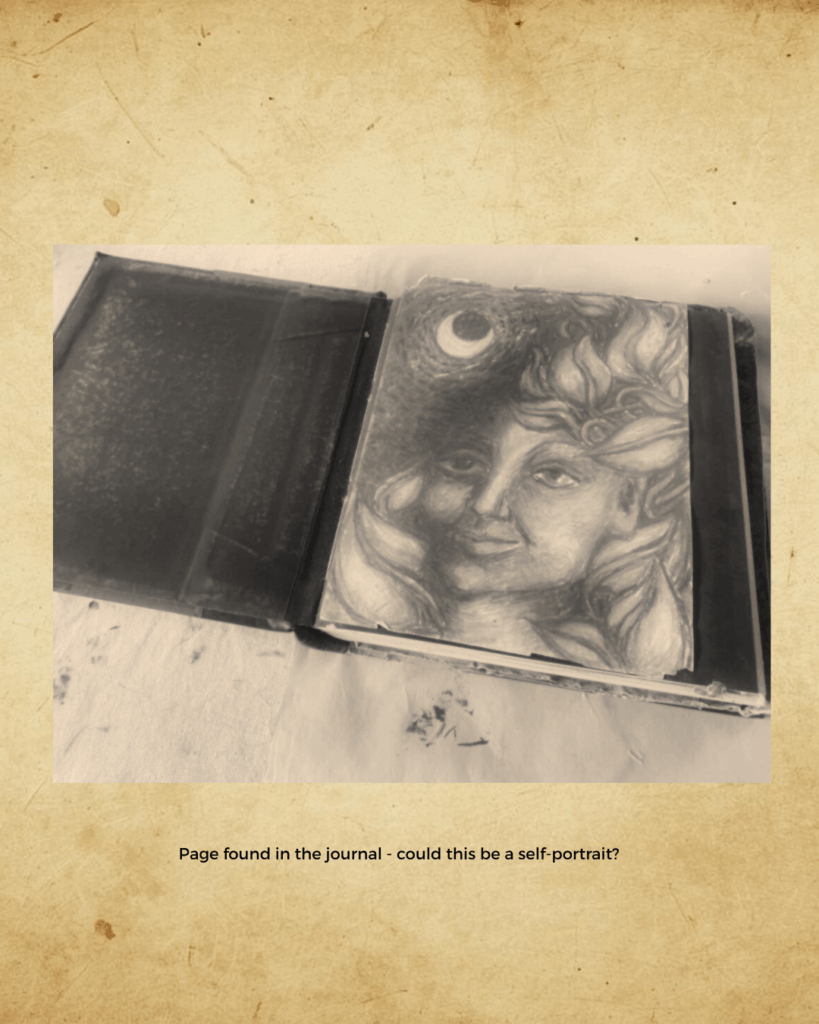
After the performance, several people approached me, asking if they might see the journal themselves. And that, too, was real — the journal truly existed. I explained that it had been discovered in the storeroom of the Inverloch RSL, and the veterans there, knowing of my work with them through the Ocean, Art & Mindfulness program, had asked if I might take a look. “You’re a Creative Arts Therapist,” they said. “You might find this interesting.”
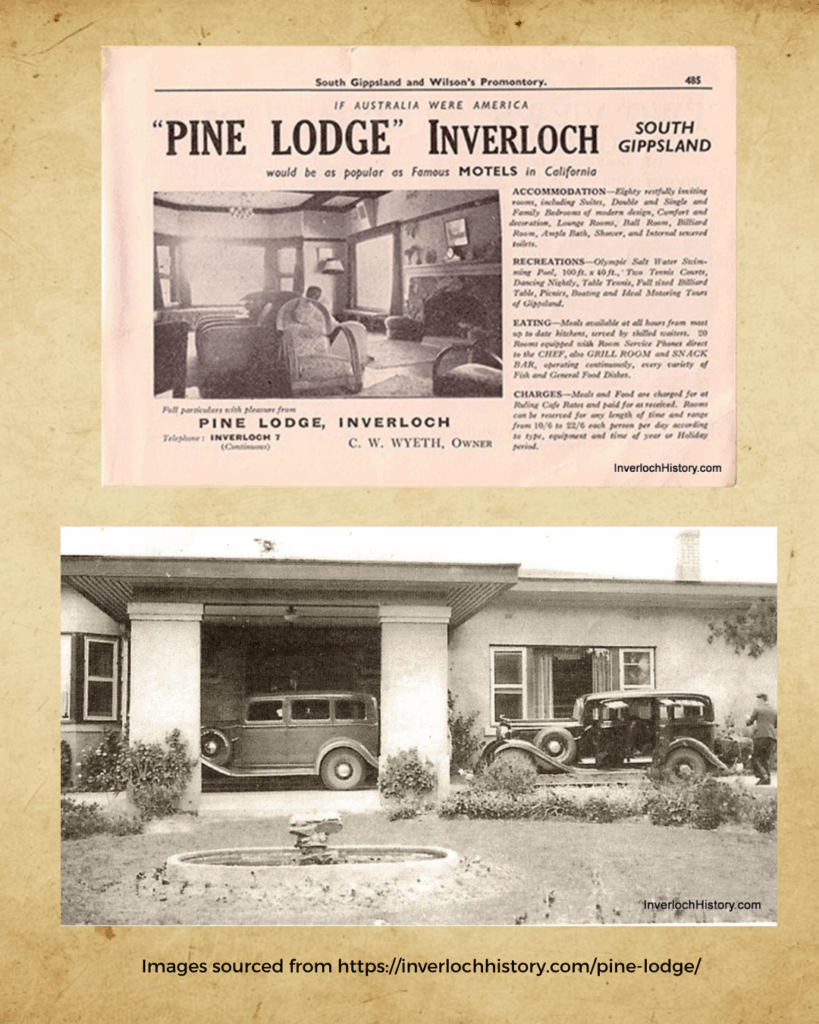
Its pages spoke of Pine Lodge, of soldiers sketching between treatments, of Helia’s belief that creativity could hold a human spirit together when war had broken everything else.
Of course, the pages also spoke of Helia’s own inner-most, private world, and I felt it inappropriate to let others look at it.
So when I held the journal in my hands and told Helia’s tale to the forum guests that morning, it was easy to believe. The disbelief that should have followed never came. The previous night’s theatre had somehow expanded into shared conviction.
And why not? Pine Lodge was real — its grandeur, its ballroom, its saltwater pool, its wartime transformation — all true. In that seam of history, who could say that a surrealist French cook turned artist and healer hadn’t lived and worked there?
As Erin, Jodie and Maya performed Helia’s life in movement and chorus, I felt my own story weaving into hers. When I was a young apprentice milliner in the 1980s at Mr Individual Hats in South Yarra, I had learned the very skills Helia might have used: hand-stitching, shaping, sculpting fabric into form. My teachers were milliners trained between the wars — perhaps not so many steps from her time..
Somewhere between memory and invention, Helia Hart stirred — not as an anecdote, but as a shared act of remembering what art can do.
Helia’s Legacy
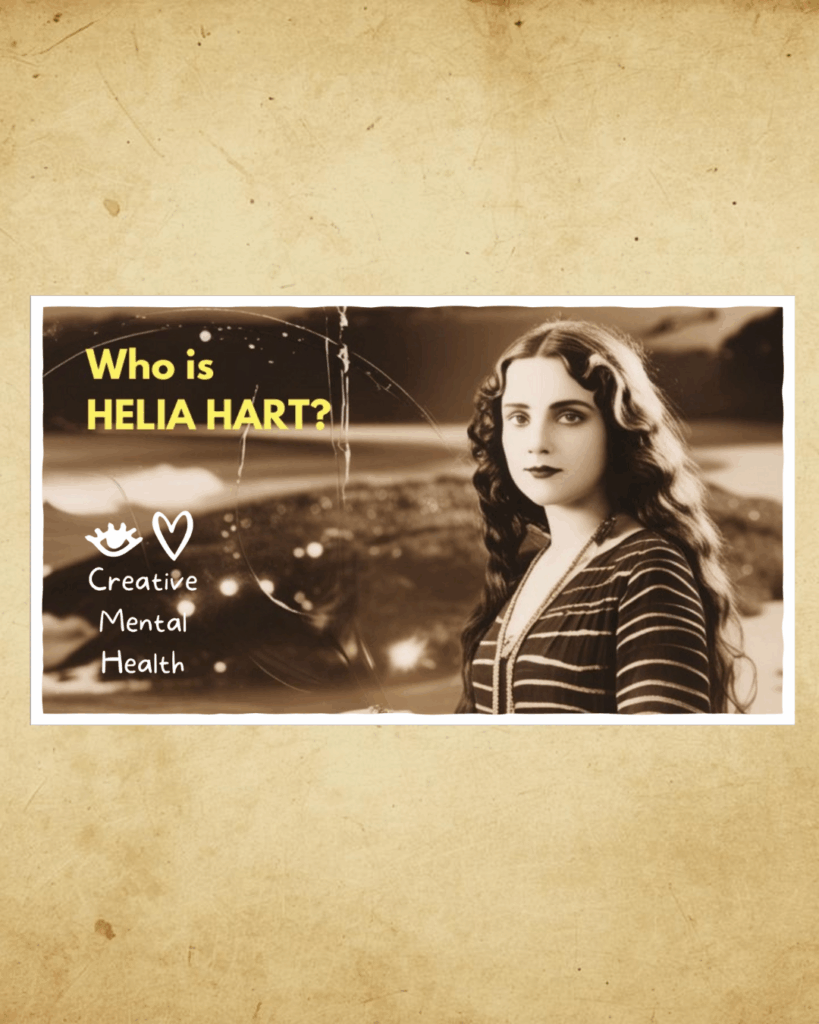
So who is Helia Hart?
A surrealist sculptor who fled Paris. A French cook at Pine Lodge. A healer of veterans. A forgotten diarist. Or perhaps, a myth woven into truth until it became real enough to believe.
All I know is that in 2025, on Boon Wurrung Country, among artists and therapists gathered in creative kinship, she stepped into the present. The Heart Sonic Artlifier pulsed in our hands, Brodie’s song rose in our throats, and Helia’s story became part of ours.
Of course, by now I have become so fascinated to find out more about Helia Hart, her early life and her inner world, that I feel I must take a deep dive into understanding her Paris years, her love of soft sculpture, and what must surely have been a heart wrenching decision to leave her home as such a young woman.
And perhaps that is the point: stories themselves are Artlifiers — amplifying our empathy, reminding us that creativity is not mere expression, but the connecting heartbeat of love itself.
The Chronicles of Helia Hart is a work of fiction, inspired by true facts;
of things – such as historical events, gatherings, art movements and feelings – that really happened,
in places – such as geographical locations, significant sites, and imaginations – that really exist,
in times past, present, future, and all at once.
The Chronicles of Helia Hart
The Chronicles of Helia Hart is a living archive of myth, story, and creative practice. Helia Hart herself is a figure who emerged at the intersection of theatre, community, and imagination — a surrealist artist, a time traveller’s companion, a bearer of artefacts, an ancestor who may or may not have lived.
These chronicles are not historical records. They are works of mythopoesis in real time — stories, performances, and writings that blur the line between fiction and history, theatre and truth. Each chronicle offers a way to explore what cannot always be said directly: experiences of belonging and betrayal, resilience and renewal, the power of creativity to heal and connect.
This space gathers together essays, blog posts, performances, and future stories as they unfold. It is an invitation to step inside the myth, to hold it lightly, and to let it open up questions about and possibilities for art, therapy, history, and community.
Helia Hart’s story is not finished. Each telling is another thread in the weave. Welcome to the Chronicles.
Dr Carla van Laar creates the Chronicles of Helia Hart on BoonWurrung Country, Inverloch, Victoria Australia.
Carla is an artist, therapist, author and activist who is passionate about the power of the arts and creativity to heal our beautiful but troubled world and hearts.
Leave a Reply